





Put simply, mitigation is the work of holding damage to its current size. Do not confuse it with rebuilding. Mitigation covers the steps taken ahead of repairs so undamaged materials stay that way. In Fishers, our team handles mitigation by controlling the source, removing the water, containing the wet area and stabilizing the structure. Good mitigation makes the later repair smaller, and now and then makes it unnecessary.
People often use mitigation and restoration to mean the same thing. Each is its own phase of the job. Mitigation is the emergency phase: stop the loss, limit the spread, stabilize the home. Afterward comes restoration, when dryness is verified and ruined flooring, drywall and finishes get fixed or rebuilt. Because an insurer lists each one separately as well, knowing where you stand in the process is helpful.
A typical mitigation visit covers four things. One: control the source and cut off any new water. Extraction, so standing water is gone. Containment, using plastic barriers and controlled airflow so moisture and contaminants stay out of clean rooms. Fourth is stabilization: unsalvageable materials come out, surfaces receive antimicrobial treatment, and dehumidifiers and air movers are placed. We also protect furniture and belongings by moving or blocking them up.
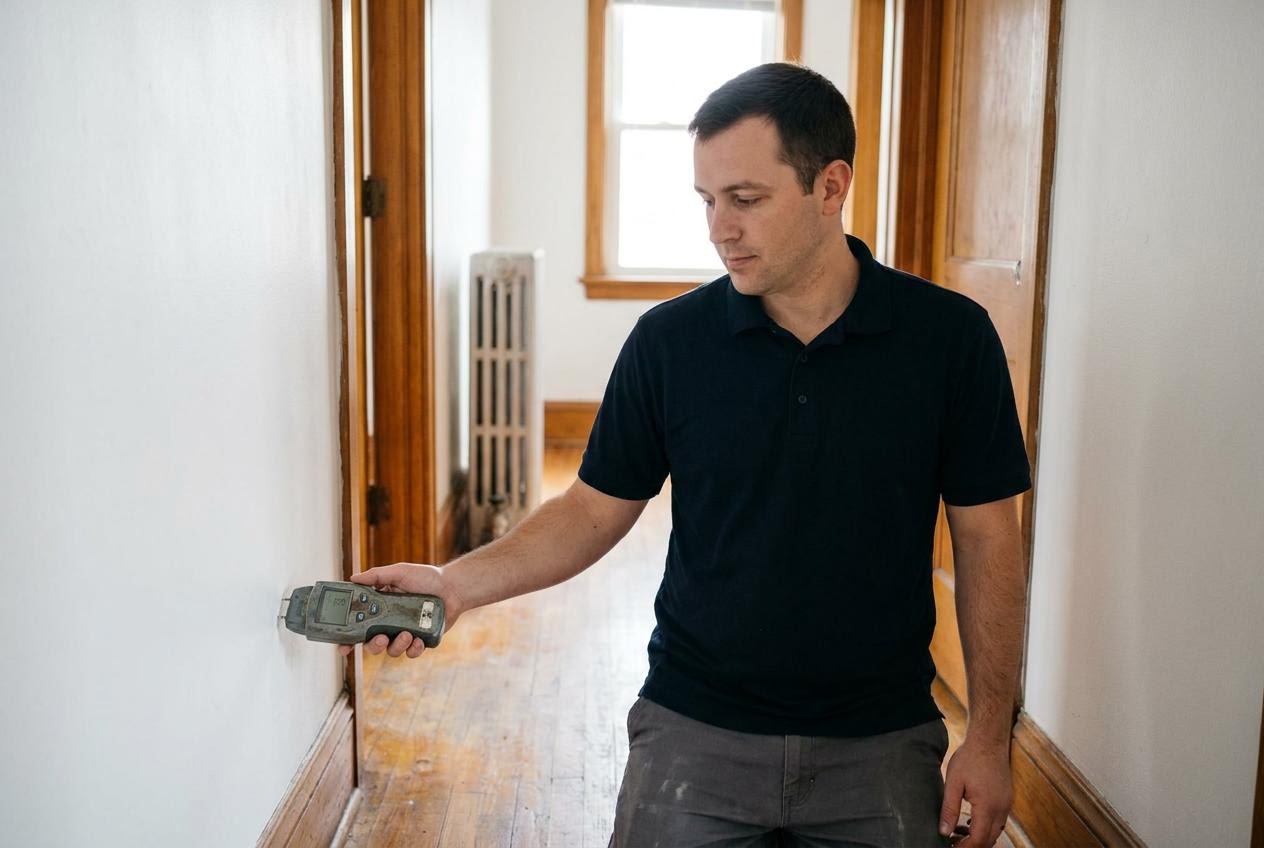
DIY vs. Professional Water Damage Mitigation
While some minor restoration tasks can be handled by handy homeowners, most water damage work requires professional expertise, specialized equipment, and proper safety training. Consider the following comparison:
| Factor | DIY Approach | Professional Service |
|---|---|---|
| Water removal | Wet vac and a stack of towels | Pumps and extractors clear bulk water |
| Contaminated water | Bleach on visible surfaces | Category-specific antimicrobial applied |
| Containment | Shutting doors to the wet room | Plastic containment with managed airflow |
| Proof for insurer | A few phone photos | Daily moisture logs and photo record |
| Drying check | Assume a few days was enough | Readings logged every visit until dry |
Ready to Solve Your Water Damage Mitigation Problem?
Our IICRC-certified technicians are standing by to help.
Call (216) 354-7157 TodayHow to Prevent Water Damage Mitigation Problems
A little prevention goes a long way in avoiding expensive restoration emergencies. Here are our expert recommendations:
- Learn where your main shutoff is and confirm the valve still turns.
- Ground next to the foundation should fall away from it, which keeps water from collecting there.
- Get the water heater checked every year, and replace it ahead of a tank failure.
- Check under sinks and around toilets monthly for drips, stains or soft flooring.
- Have an automatic shutoff fitted, so the main closes itself once a leak is sensed.
- Before heavy rain returns, caulk openings at doors, windows and roof penetrations.
Water Damage Mitigation FAQ
Why Hire a Professional for Water Damage Mitigation?
Doing mitigation well means making a string of quick judgment calls. What drywall stays and dries where it is, and what must be removed? Is the water Category 1, 2 or 3, and has it changed since the leak began? Is removing the cabinet toe kick necessary? Our team makes these calls from training and from moisture readings, not from how a surface looks or feels to the hand.
Good mitigation also protects your claim. Under most policies you must act reasonably to keep the damage from growing, with proof that you did. On arrival we take photos, then log moisture readings every day and itemize whatever is removed. That file shows what the water did and what was done about it. It also gives the repair contractor a clear starting point, with no wet surprises behind new drywall.
Not Sure What You Need?
Our experienced technicians can assess your situation and recommend the best solution.
Call (216) 354-7157 TodaySigns It Is Time for Water Damage Mitigation
Catching these issues early helps you avoid costly problems and protect your property. Here are the most common indicators that it's time to call a professional:
- Carpet squishes underfoot, or the pad beneath it is saturated.
- Water is no longer flowing, though it has left wet floors, cabinets or walls behind.
- A musty odor has begun because materials stayed wet for a day.
- A plumber fixed the pipe but nobody has dealt with the water.
- Water is moving from one room into the next along the flooring.
- Your insurer has told you to take reasonable steps to prevent further damage.
- Following a water loss, indoor air stays damp and condensation forms on the glass.
Act Before It Gets Worse
What seems like a minor issue today can turn into a major expense tomorrow. Call Fishers Restoration at (216) 354-7157 at the first sign of trouble.
How Our Water Damage Mitigation Works
We follow a proven process to ensure every job is completed to the highest standards. Here's how we handle water damage mitigation from start to finish:
Stop the Water Source
The supply gets shut off, the broken line capped, or the opening letting water in tarped and boarded. Should a lasting fix require a plumber or a roofer, our team coordinates when that happens.
Remove Standing Water
Pumps and extractors take out the standing water, and we inspect the carpet and pad. Getting bulk water out quickly does more to limit damage than any amount of drying equipment alone.
Contain Wet Areas
Plastic barriers and controlled airflow separate wet rooms from dry ones. As a result, contaminants, dust and humid air stay put instead of spreading around the house mid-job.
Stabilize and Dry
Materials past saving come out, an antimicrobial is applied to surfaces, and air movers plus dehumidifiers go in. Each visit includes logged moisture readings, and the structure is usually ready for repair work within 3 to 5 days.
Schedule Your Water Damage Mitigation Service
Don't let water damage problems get worse. Call Fishers Restoration now for prompt, professional service.
Call (216) 354-7157 Today